
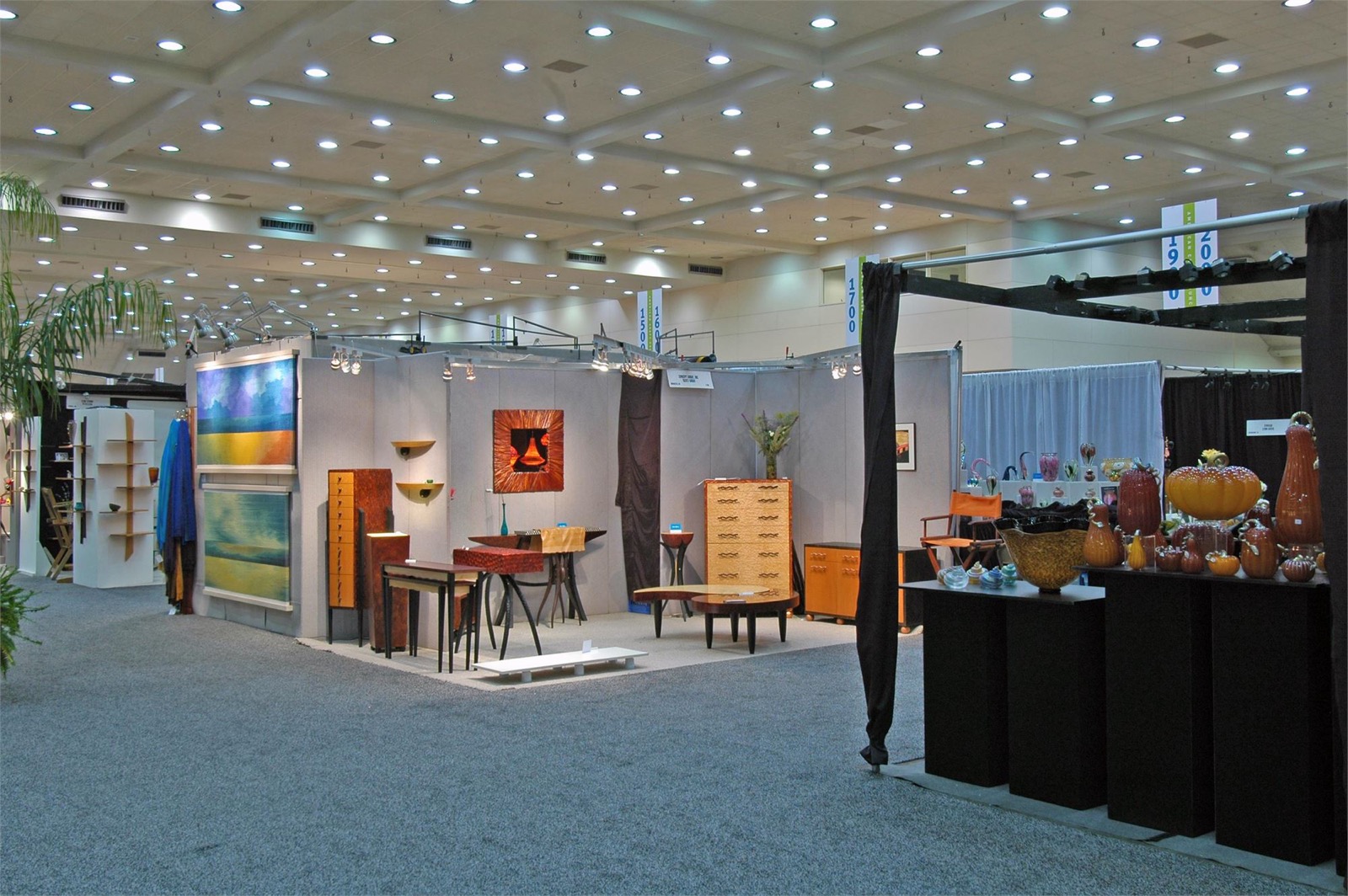
Roadshow and mobile tour support in Jacksonville should read like a movement-and-reset plan, not like a broad field-management section for the support.
This section belongs to the teams that need the same program to survive multiple stops, different docks, and a repeatable set of load-in and load-out decisions for the support.
The important question is whether the assets can travel cleanly and reset fast enough to keep the tour recognizable from city to city for the support.
Roadshow and Mobile Tour Support operating notes
- Tie freight routing, staging, and reset speed together instead of treating them as separate workstreams for Roadshow and Mobile Tour Support.
- Use this section when the team needs a touring system that survives multiple stops without rebuilding the core asset idea each time for Roadshow and Mobile Tour Support.
- Keep the venue manual, pack-out logic, and travel window on the same timeline as the tour plan for Roadshow and Mobile Tour Support.
What drives the Jacksonville calendar
Scope gets tighter; standards don't.
the Adam W.
Where Jacksonville shows cluster
Northside, Jacksonville International Airport, Oceanway form the Northside and Airport Access Belt cluster.
Beaches and Coastal Strip runs across Jacksonville Beach, Neptune Beach, Atlantic Beach. The coastal strip is relevant for hospitality-heavy programs, off-site sponsor events, beachside meetings, and executive gatherings that pair conference work with the Atlantic shoreline.
How Jacksonville floor operations work
Labor in Jacksonville runs venue-by-venue, not citywide.
Visit Jacksonville promotes expert destination support, welcome tables at registration, letters from local officials, and meeting-effectiveness planning. That reinforces a coordination model where destination teams, venue teams, and outside vendors can all play a role depending on the event.
The buildings that host Jacksonville events
Adam W. Herbert University Center. Official source materials point to 43,000 square feet of meeting space.
Aloft Jacksonville Mix Park is one of the anchors.
Line items on a typical project
For programs that repeat, asset management becomes part of the engagement — storage, graphic rotation, refurbishment, and re-crating are planned rather than one-off.
Out of scope by default are show organizer fees, booth lease costs paid directly to the show, staff travel and per diems, and any custom software or data-capture tooling the client runs on its own stack. Those stay on the client side and plug into the project through coordination, not rebilling.
How a project runs
Once scope is clear, the venue work begins.
One named show-site lead runs the install.
That document drives the next booking.
What it costs and how fast it moves
Cost scales with how it is built, how big it is, what the venue charges for its own services, what the graphics look like, how far the crates travel, and how many days the team stays on-site.
Rental programs run on 8 to 12.
Outcomes we optimize for
Trade show ROI is measured at the lead and pipeline level.
The post-show debrief is where the numbers get connected back to the physical booth. Which demo station drew traffic, which meeting area closed more conversations, which graphic zone attracted dwell time — that feedback shapes the next build rather than getting lost.
How we're built to run your project
Local fabrication means real-time problem-solving. A graphic that needs to be reprinted at 6 a.m.
Clients who run repeat programs across multiple dates end up paying less per event when the same team handles everything. Less re-briefing, less re-training, less re-checking — the operational overhead drops year over year.
FAQ
Do you work at Hyatt Place Jacksonville Airport?
Yes.
How does labor work in Jacksonville?
It runs venue by venue.
How much lead time is ideal?
Custom builds run best with 16 to 20 weeks of lead time. Rentals take 8 to 12 weeks.
What information kicks off a project?
The show, the venue, the booth number, the dates, and a target budget range. From those, an initial scope and a realistic cost come back within a few days.
Who runs the booth on-site?
One named show-site lead runs the install, the show hours, and the strike. That person carries the floor plan and the punch list from crates to doors and reports up once a day.
Can the booth travel to the next city on our calendar?
Same structure, swappable graphics, standard crates.
What happens if something breaks during show hours?
The on-site lead handles it.