
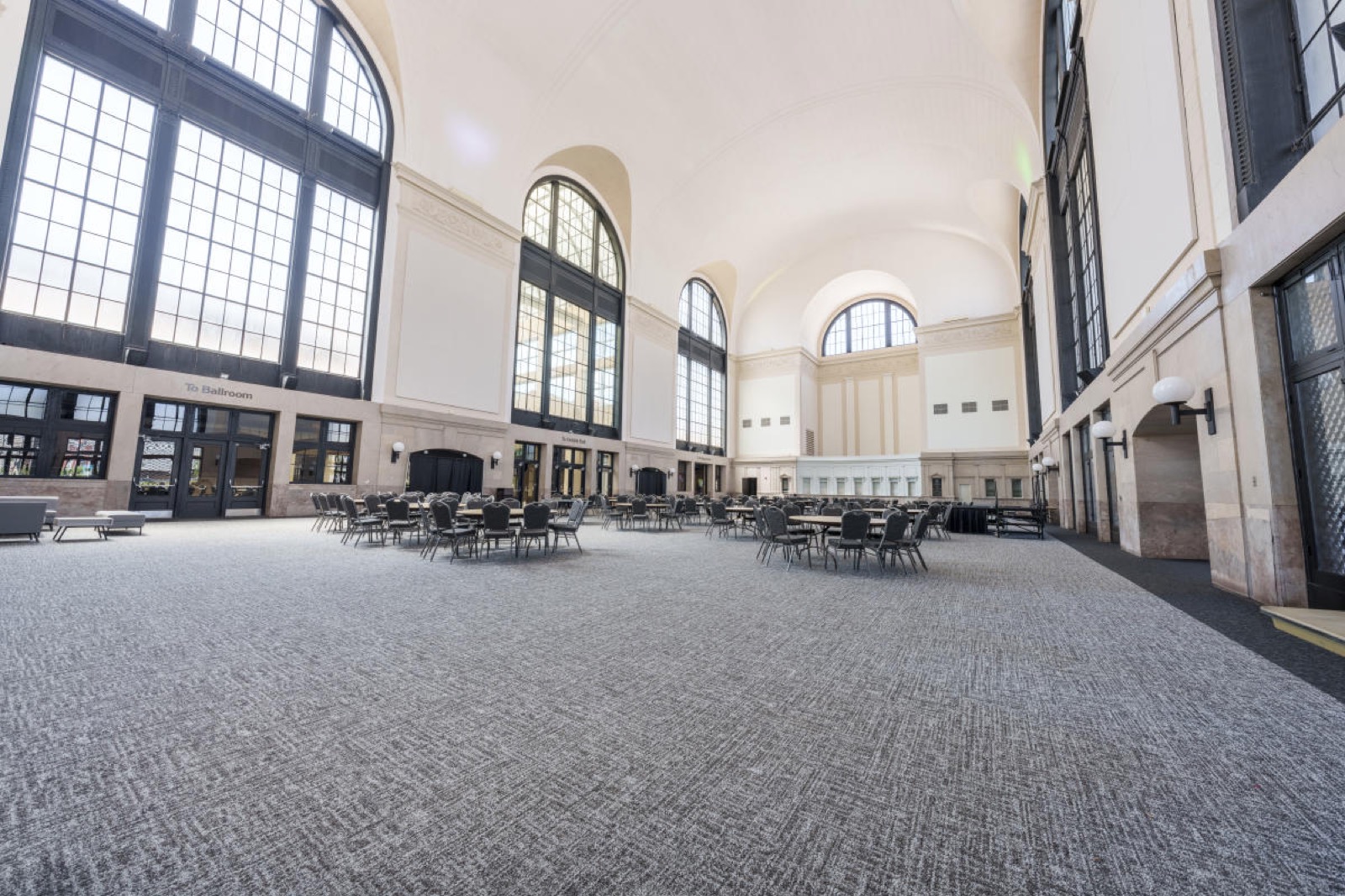
Cummer Museum of Art & Gardens should be treated as an art-and-gardens cultural venue where the setting, collection, and outdoor atmosphere are part of the event's value from the first arrival.
The gardens is part of Jacksonville's Riverside event mix and should be planned around the real room configuration, access pattern, and show manual in play for the date. The room decision here is really about curating guest experience through culture, landscape, and a quieter Riverside backdrop rather than through generic downtown event energy for the gardens.
For the gardens, the planning question is whether the event wants a museum-and-garden setting with donor or cultural resonance instead of a private club or conventional hosted-event room.
Cummer Museum of Art & Gardens access notes
- Should be judged on gallery atmosphere, garden use, and whether the event gains value from a visibly cultural Riverside environment.
- Start with guest flow between indoor and outdoor areas, donor or sponsor expectations, and how the venue's cultural identity supports the program for Cummer Museum of Art & Gardens.
- Use this venue when the setting itself needs to signal art, curation, and a more intentional guest experience for Cummer Museum of Art & Gardens.
- Confirm gallery, garden, vendor, and timing rules before treating the museum as a generic event shell for Cummer Museum of Art & Gardens.
The Cummer Museum of Art & Gardens footprint
Cummer Museum of Art & Gardens is part of the active Jacksonville venue set.
Located at 829 Riverside Ave, Riverside.
Projects at the gardens start with its published floor plan, dock schedule, and service-order deadlines. Everything downstream — build, freight, install, labor — is planned against those real inputs.
What drives the Jacksonville calendar
Trade show weeks in Jacksonville compress decisions.
the Adam W.
How Jacksonville floor operations work
Labor in Jacksonville runs venue-by-venue, not citywide.
Jacksonville should be treated as a mixed/open-market labor environment with venue-specific, organizer-specific, and scope-specific exceptions. Prime Osborn clearly publishes some house and union technical constraints, while many hotels and off-site venues rely on venue coordination and outside supplier networks without publishing one universal labor model for the whole city.
Scope at Cummer Museum of Art & Gardens
a bad one has many, because they weren't.
Out of scope by default are show organizer fees, booth lease costs paid directly to the show, staff travel and per diems, and any custom software or data-capture tooling the client runs on its own stack. Those stay on the client side and plug into the project through coordination, not rebilling.
How a project runs
Venue coordination comes next.
Install days are owned by a single on-site lead.
During show hours, the booth is a live operating space.
That document drives the next booking.
What it costs and how fast it moves
Cost scales with how it is built, how big it is, what the venue charges for its own services, what the graphics look like, how far the crates travel, and how many days the team stays on-site.
Lead time drives everything. Custom: 16 to 20 weeks. Rental: 8 to 12.
Outcomes we optimize for
Trade show ROI is measured at the lead and pipeline level.
A week after the show, the booth's actual floor performance is already clearer than any pre-show projection. We document those observations alongside the technical closeout so the next cycle inherits real signal, not nostalgia.
How we're built to run your project
Trade Show Services of Jacksonville keeps the work local.
The difference from a national vendor shows up at the dock.
FAQ
How does labor work in Jacksonville?
It runs venue by venue.
How much lead time is ideal?
Custom builds run best with 16 to 20 weeks of lead time. Rentals take 8 to 12 weeks.
What information kicks off a project?
The show, the venue, the booth number, the dates, and a target budget range. From those, an initial scope and a realistic cost come back within a few days.
Who runs the booth on-site?
One named show-site lead runs the install, the show hours, and the strike. That person carries the floor plan and the punch list from crates to doors and reports up once a day.
Can the booth travel to the next city on our calendar?
Same structure, swappable graphics, standard crates.
What happens if something breaks during show hours?
The on-site lead handles it.