
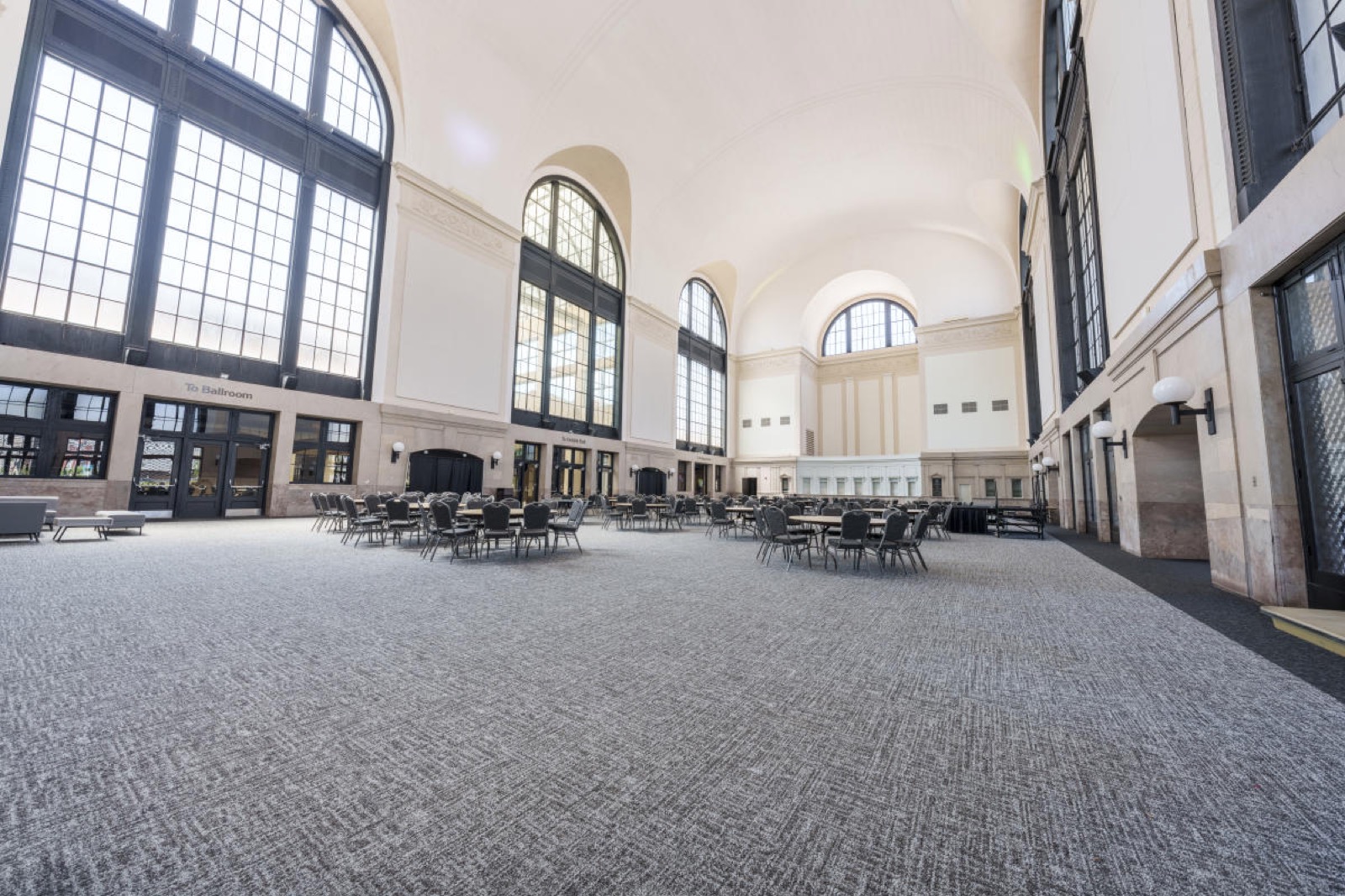
The Lark should be framed as a boutique private-event venue where intimacy, styling flexibility, and guest mingling matter more than theatrical scale or marquee history.
the value is in controlled atmosphere and hosted-event adaptability, not in a classic auditorium experience for the Lark.
For the Lark, the planning question is whether the event wants a smaller downtown room that can feel tailored and social instead of a larger performance-led theatre environment.
The Lark access notes
- The Lark should be judged on guest circulation, hosted-event feel, and how well the room can support a more custom dinner, mixer, or launch pattern.
- Start with reception flow, furniture plan, bar or catering layout, and whether the event works better as a social environment than as a seated stage experience for the Lark.
- Use this venue when the room needs to feel curated and private instead of civic and theatrical for the Lark.
- The listing data reports 4,300 square feet of meeting space for the Lark.
The Lark at a glance
Official source materials point to 4,300 square feet of meeting space.
Located at 229 Hogan St, Downtown Jacksonville.
On any the Lark project, the first step is pulling the current exhibitor manual and confirming the service-order deadlines, dock windows, and any rigging approval path. Design decisions come after those are locked.
What's included in the project scope
Individual projects layer or remove items based on scope.
a bad one has many, because they weren't.
Those run alongside the engagement rather than inside it.
Who handles what during the Jacksonville install window
On most Jacksonville shows, the labor plan takes one call with the venue's exhibitor services desk, one review of the current manual, and one email to the general contractor. Skipping any of those three is usually where problems start.
Jacksonville should be treated as a mixed/open-market labor environment with venue-specific, organizer-specific, and scope-specific exceptions. Prime Osborn clearly publishes some house and union technical constraints, while many hotels and off-site venues rely on venue coordination and outside supplier networks without publishing one universal labor model for the whole city.
Jacksonville as a trade show city
the Prime F.
the city as a meetings and conventions destination with dozens of event venues and expert support from its team, which supports buyer-facing positioning around coordinated planning rather than venue-only execution.
From first call to strike
After the brief, the work turns to the building itself.
With venue details locked, production runs.
One named show-site lead runs the install.
Throughout show hours, the on-site lead stays present.
Cost and lead time
Every project has the same cost drivers.
Rental programs run on 8 to 12.
How project performance gets measured
Exhibitors who measure programs seriously track leads, floor-booked meetings, and post-show pipeline. The build and the install are upstream inputs to those KPIs.
The post-show debrief is where the numbers get connected back to the physical booth. Which demo station drew traffic, which meeting area closed more conversations, which graphic zone attracted dwell time — that feedback shapes the next build rather than getting lost.
Why Trade Show Services of Jacksonville
Working with a Jacksonville-based shop matters most when something goes wrong on-site. Solutions live within driving distance instead of on another coast.
Over a multi-show calendar, the compound value of a single team shows up in fewer surprises. The second install is faster than the first, the third is faster than the second, and by the fourth the project runs on memory and documentation rather than first-principles planning.
FAQ
How does labor work in Jacksonville?
It runs venue by venue.
How much lead time is ideal?
Custom builds run best with 16 to 20 weeks of lead time. Rentals take 8 to 12 weeks.
What information kicks off a project?
The show, the venue, the booth number, the dates, and a target budget range. From those, an initial scope and a realistic cost come back within a few days.
Who runs the booth on-site?
One named show-site lead runs the install, the show hours, and the strike. That person carries the floor plan and the punch list from crates to doors and reports up once a day.
Can the booth travel to the next city on our calendar?
Same structure, swappable graphics, standard crates.
What happens if something breaks during show hours?
The on-site lead handles it.